RESEARCH & PROJECTS

PROJECTS

Our team applies computational modelling and simulations to tackle complex biological and infectious systems. By combining mathematical approaches with real-world data, we generate insights that inform research, guide public health interventions, and advance understanding in multiple domains of biology and medicine.

GHAIR is preparing to launch a new research project at the intersection of artificial intelligence, mathematical modeling, and brain cancer therapy. This initiative aims to explore advanced computational strategies to enhance treatment …
This research develops a mathematical model to study the spread of diphtheria and its cardiovascular complications. The population is divided into compartments, susceptible, exposed, infected, quarantined, treated, and individuals with heart complications—with …

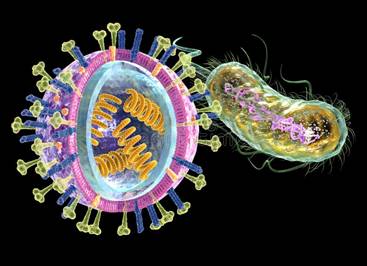
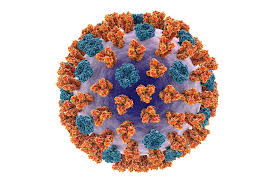
This study develops a mathematical model for influenza types A, B, C, and D. The model uses compartmental dynamics to represent the transmission and progression of each influenza type. It aims to …
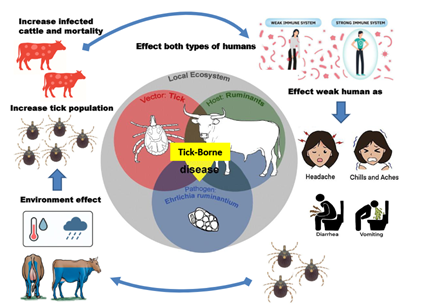
This study develops an integrated deterministic compartmental model that captures the transmission dynamics of tick-borne pathogens from infected cattle to vector ticks. The model extends to include human populations under varying immune …
This study develops a mathematical model to understand the zoonotic transmission dynamics of bovine tuberculosis (bTB) between animals and humans. The model categorizes populations into susceptible, exposed (to animal and human TB), …
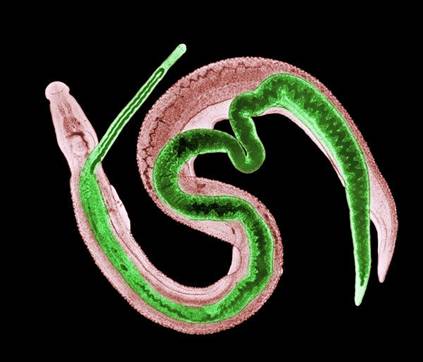
This study develops a mathematical model to analyze the transmission dynamics of snails, particularly in relation to diseases they vector. The model examines snail population dynamics and their role in spreading infection. …
Diabetic nephropathy arises from multiple interacting factors, including hyperglycemia, advanced glycation end-products (AGEs), reactive oxygen species (ROS), and disrupted calcium homeostasis, yet their combined impact on kidney damage remains unclear. We developed …
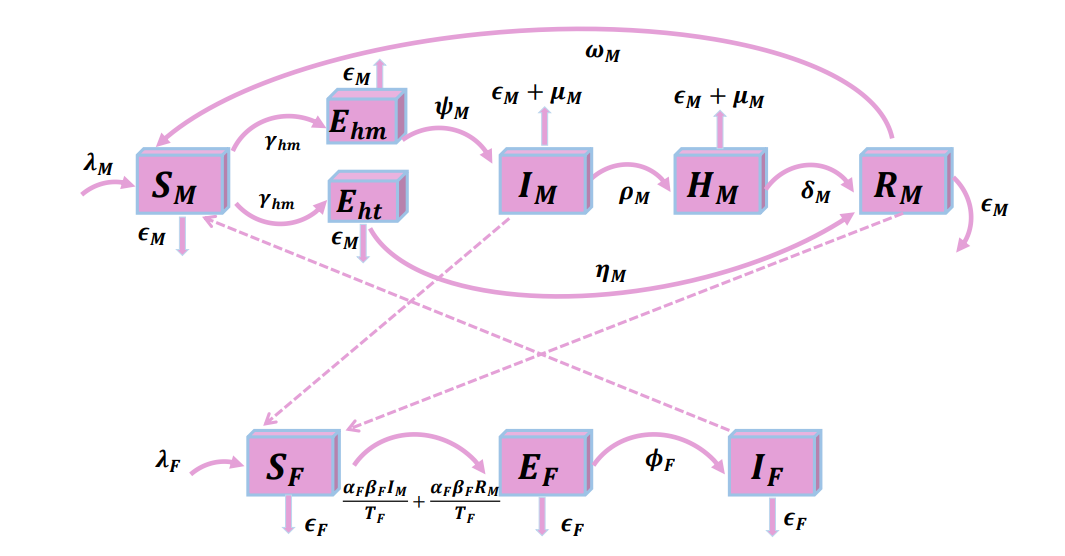
In this research, we developed a comprehensive mathematical model to simulate malaria transmission dynamics by incorporating both homogeneous and heterogeneous exposed human compartments through a system of nonlinear differential equations. We derived …
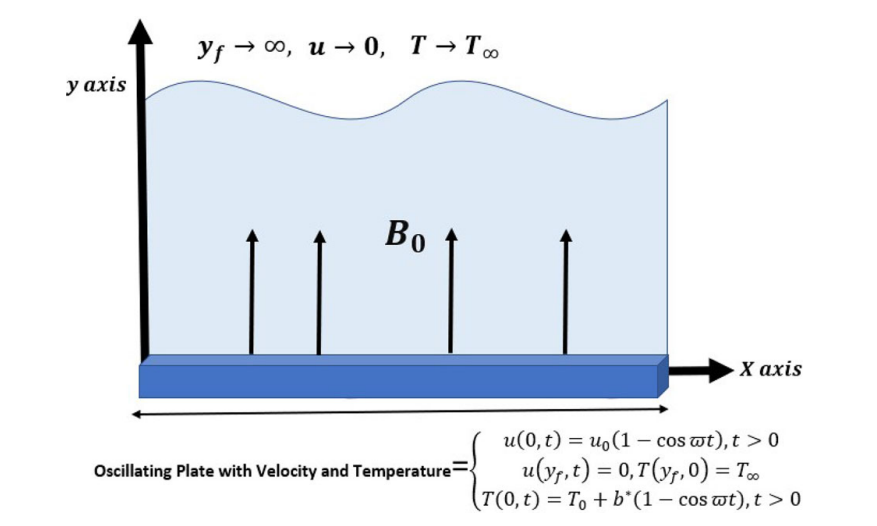
This project presents a new mathematical definition of the Caputo fractional derivative designed specifically for the finite difference method. The study models a nonlinear fractional Maxwell fluid flowing along a vertical plate …
This study develops a mathematical model to analyze the transmission of alcohol consumption within society. It examines how drinking behaviors spread among individuals. The model aims to understand the factors influencing alcohol …
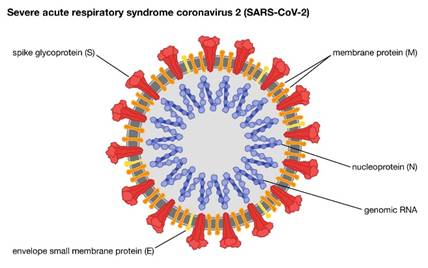
This research develops a mathematical model to better understand how COVID-19 spreads when vaccination is included as a control strategy. The population is divided into compartments, susceptible, exposed, infected, quarantined, vaccinated, and …
This paper provides a mathematical model of HIV dynamics that involves the interactions between HIV and the human immune system with a certain combination of proteins and fatty acids, especially omega-3. In …